
Berrys Announces Two Key Appointments to Senior Leadership Team
April 9, 2026












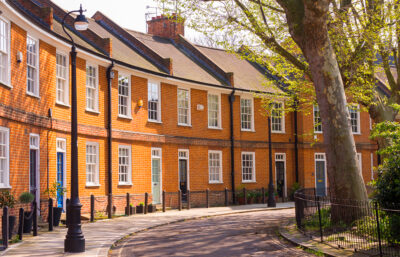




Under the Planning (Listed Buildings and Conservation Areas) Act 1990, it is a criminal offence to carry out any works which would affect its character as a building of special architectural or historic interest. In contrast, it is not actually a criminal offence to undertake works to an un-building without planning permission, but only an offence to fail to comply with a planning enforcement notice.
The offence is committed by the person who carried out the work or by anyone who caused them to be carried out. Prosecutions can (and have) been brought against both a company as a whole and individuals of that company.
Unlike breaches of planning control which become immune from enforcement action after a period of years, breaches of the listed building consent never become immune. It is particularly important to be aware of this if you are purchasing a listed building as you any new owners become liable for remedying the unauthorised works even if you have not undertaken them.
Local Authorities have statutory powers to enforce when works are undertaken without consent, and they also have the power to use other enforcement notices to secure the future of historic buildings – not just listed buildings.
Although owners of listed buildings are not legally required to maintain their buildings, if they fall into serious disrepair Local Planning Authorities can use powers such as an urgent works or repairs notices under the Planning (Listed Buildings and Conservation Areas) Act 1990). This enables local authorities to execute any works which are deemed to be ‘urgently necessary’ for the preservation of the building.
The owner is given a minimum of 7 days’ notice of intention to carry out the works and is required to pay the full expense of the works. The notice can be appealed to the Secretary of State which includes appealing that the works weren’t in fact urgent or the amount of works were unreasonable.
Similarly, although often less common, Local Authorities can utilise Section 48 of the Act to serve a Repairs Notice which seeks to specify works that are ‘reasonably necessary’ for the preservation of the building. These works however cannot be undertaken by the Local Authority and there is no right to appeal.
For un-listed buildings, enforcement powers are still possible. Section 215 the Town and Country Planning Act 1990 which is often used to achieve improvements to conservation areas in particular, although not exclusively. This notice can be served on works to enhance the appearance of land or a building.
Other notices can also include temporary stop notices which do exactly that – stop owners from continuing any works. And remember that if needs be Local Authority Officers can exercise their powers of entry under Section 29 of the 1982 Local Government (Miscellaneous Provisions) Act.
It’s not always doom and gloom though. Generally, Local Authority’s will engage first before taking more serious action. Speak to one of our heritage consultants to find out more.
For more information on enforcements please contact Phoebe Farrell on 07775 925358 email phoebe.farrell@berrys.uk.com.