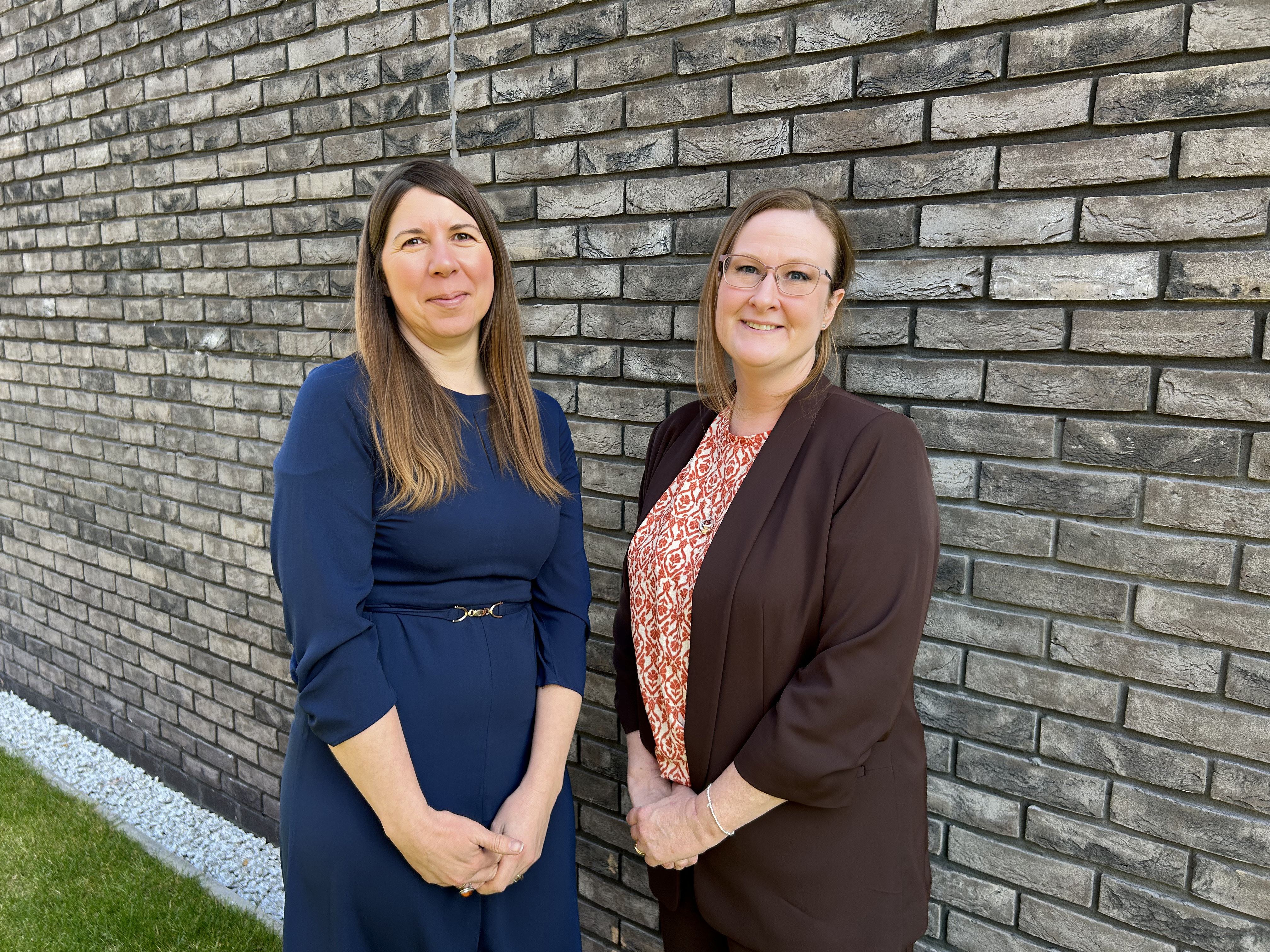
Berrys Celebrates Lucy Hollins’ APC Qualification Success
April 20, 2026
















From April 2026, Making Tax Digital (MTD) for Income Tax Self-Assessment (ITSA) will apply if your income meets certain thresholds. This includes sole traders with gross income over £50,000, anyone who is both a sole trader and a landlord where the combined gross income exceeds £50,000 and landlords whose rental income alone is over £50,000. Gross income means before expenses, and for jointly owned property, only your share of the income counts. The government is implementing this as it believes it will improve accuracy, reduce errors and make record keeping more efficient.
If the 2024/25 tax return shows qualifying income above £50,000, you must join MTD from April 2026, even if income is expected to fall below that level in 2025/26. The threshold will then reduce to £30,000 from April 2027 and is expected to drop further to £20,000 by April 2028 – it maybe sensible to have a discussion with your accountant/tax advisor about changing the structure of the business to a partnership if you are operating as a sole trader, as partnerships (or trusts) are not currently affected.
Requirements:
• If qualifying income is above the relevant threshold, you will need to:
• Keep digital records of income and expenses using software that is MTD compatible.
• Send quarterly income tax updates to HMRC through that software. These updates are a separate filing from VAT returns, but if you are VAT-registered, both can usually be managed in the same software, so you only enter your data once.
• Make a final declaration confirming that your updates are right and take into account any accounting adjustments, this replaces the traditional annual self-assessment return and can be filed by your accountant.
• Tax and National Insurance payments remain on the same schedule as before (no change to payment dates).
Implications:
• More frequent reporting – Income and expenses will need to be reported quarterly, not just through one big tax return a year. Failure to submit quarterly updates or the final declaration on time will result in penalties. These will follow a points-based system, similar to VAT returns, where repeated late submissions accumulate points and trigger fines.
• Software cost/time – Accounts will need to be recorded on accounting/MTD compatible software, no more spreadsheets or handwritten ledgers!
What to Do Now?
For sole traders and landlords, it is essential that you speak to your bookkeeper/accountant now about record keeping and start the digital processes sooner rather than later – it is best to be prepared!
HMRC will not automatically register you for MTD, you’ll need to sign up through your Government Gateway account when the service opens. If you delay registration, you risk missing filing deadlines, which could lead to penalties under the points-based system.
Please contact William Tongue on 07866 693899 or Jon Stables 07775 925359 on to discuss the effects on your business and how our bookkeeping services could help you in the transition to MTD.