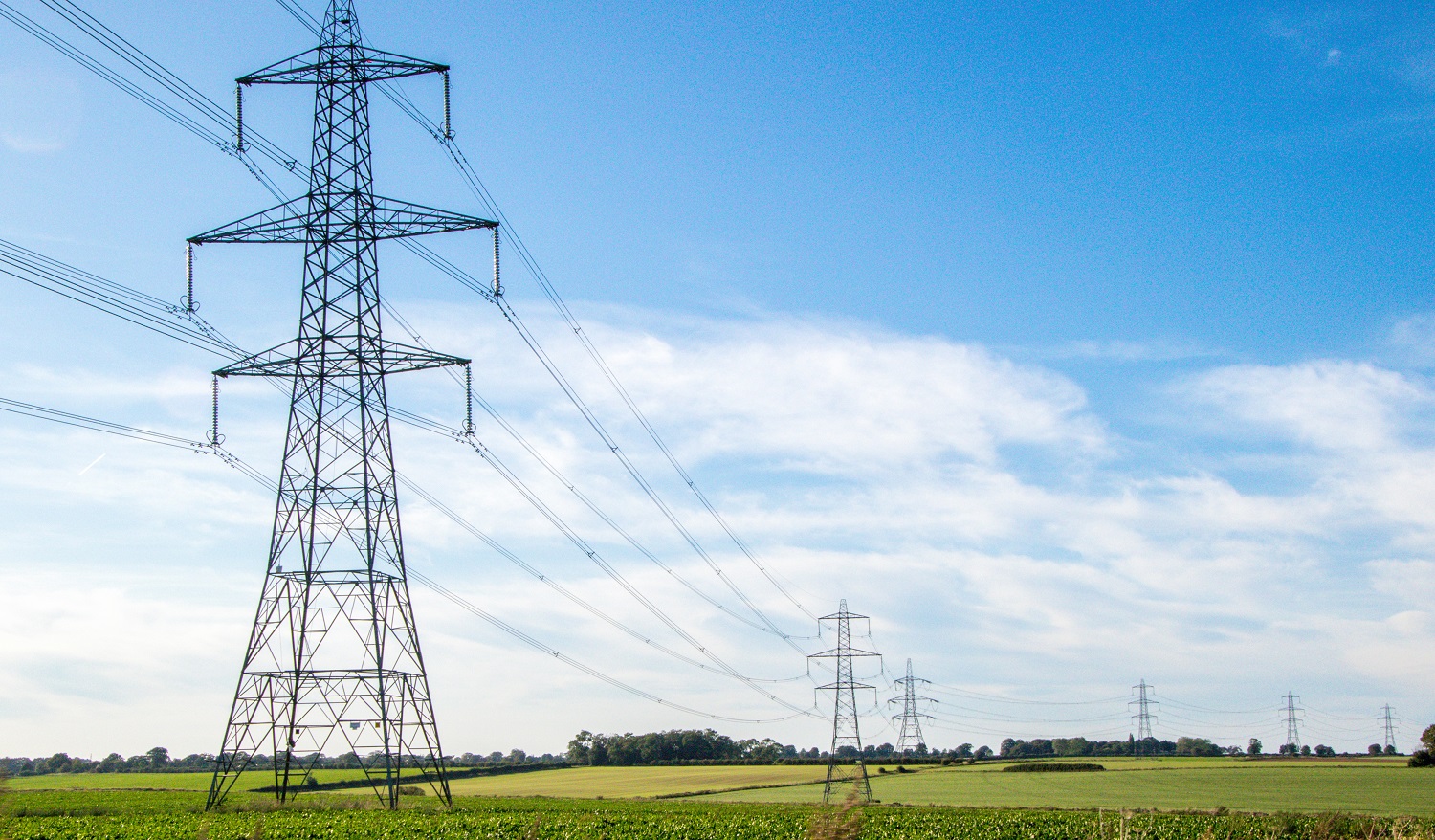
We were approached by our client, a rural landowner, who was notified by Western Power of the necessity to access and repair their pole network, impacting several areas across his farm. The client received correspondence from Western Power detailing the required works, which was passed on to our team. From this point, we took over all communications with Western Power to manage the project efficiently, protect our client’s interests and facilitate a seamless claim process for any resultant land damages.
How We Approached The Project
1. Initial Assessment and Documentation
Upon receiving the project details and route plans from Western Power, our team conducted a thorough inspection of the proposed access routes. This initial step involved creating a detailed record of the land’s pre-existing condition, documenting any observable features that could be affected by the repair works. This record was essential for accurately assessing damages post-works and was kept on file for reference and comparison.
2. Monitoring Ongoing Works
Given recent years of exceptionally wet autumns, we anticipated challenges with land access. While we initially attempted to defer the repair work as we had with other clients, emergency access was necessary in this case. Our team maintained active communication with both the landowner and on-site contractors to stay informed of all work progress and any deviations from the planned scope.
3. Post-Work Inspection and Damage Assessment
Once the repair works were completed, our team performed a follow-up inspection, noting and documenting any visible damage. This included precise measurements and descriptions of affected areas, creating a post-condition report to guide the compensation process. Key areas impacted included grass margins, mid-tier stewardship, and arable areas, all of which would require reinstatement.
4. Claim Preparation and Confirmation
Based on the post-inspection report, we drafted a compensation claim for the client. This involved quantifying the loss resulting from land damage and calculating the cost of reinstatement. To ensure accuracy, we met with the landowner to confirm the affected areas and the claim values. Our claim incorporated an hourly rate to account for the additional labour and equipment setup required for tasks such as machinery adjustments.
One arable field had sustained severe rutting, resulting in water pooling in the ruts. This presented a long-term risk, as existing drains showed signs of damage. To address potential future damages, we included a reservation clause in the claim, allowing the client to pursue additional compensation if ongoing drainage issues or stewardship revenue losses arose due to the infrastructure repairs.
5. Claim Submission and Documentation
After obtaining the client’s approval, we submitted the finalised claim to Western Power’s agent, ensuring all necessary documentation was included. This included drainage plans, detailed cost estimates, and an itemised breakdown of losses. The supporting documents provided transparency and substantiated the claim, facilitating prompt acceptance and payment of compensation to the client.
6. Compensation Calculation Methodology
In this case, we utilised a cost recovery approach for calculating the compensation. The basis of compensation is that the affected party should not be in any better or worst position than before the works were carried out. As the repair works were carried out in Autumn, some fields had been drilled while others were still in cultivation stages, with crops not yet established. Had the works occurred later in the season or closer to harvest, we would have opted for a profit and loss basis, estimating compensation on the value of an expected yield. However, since autumn crops cannot be guaranteed to be established or survive winter, a profit-based approach would not be fair or accepted by the other party.
How We Achieved The Project
Through careful documentation, monitoring, and a structured compensation approach, our team successfully managed the client’s claim against Western Power. This project highlights the importance of detailed initial records, clear communication with all parties, and appropriate compensation methods when managing land access and damage claims on agricultural land.


 Architecture
 Online Auctions
 Building Surveying
 Business, Land Use & Finance
 Charity Property Advisory
 Development Management
 Energy & Sustainability
 Engineering & Land Surveying
 Heritage & Archaeology
 Planning
 Property Agency
 Property Litigation Support
 Property Management
 Rural Landlord & Tenant
 Strategic Land
 Valuation