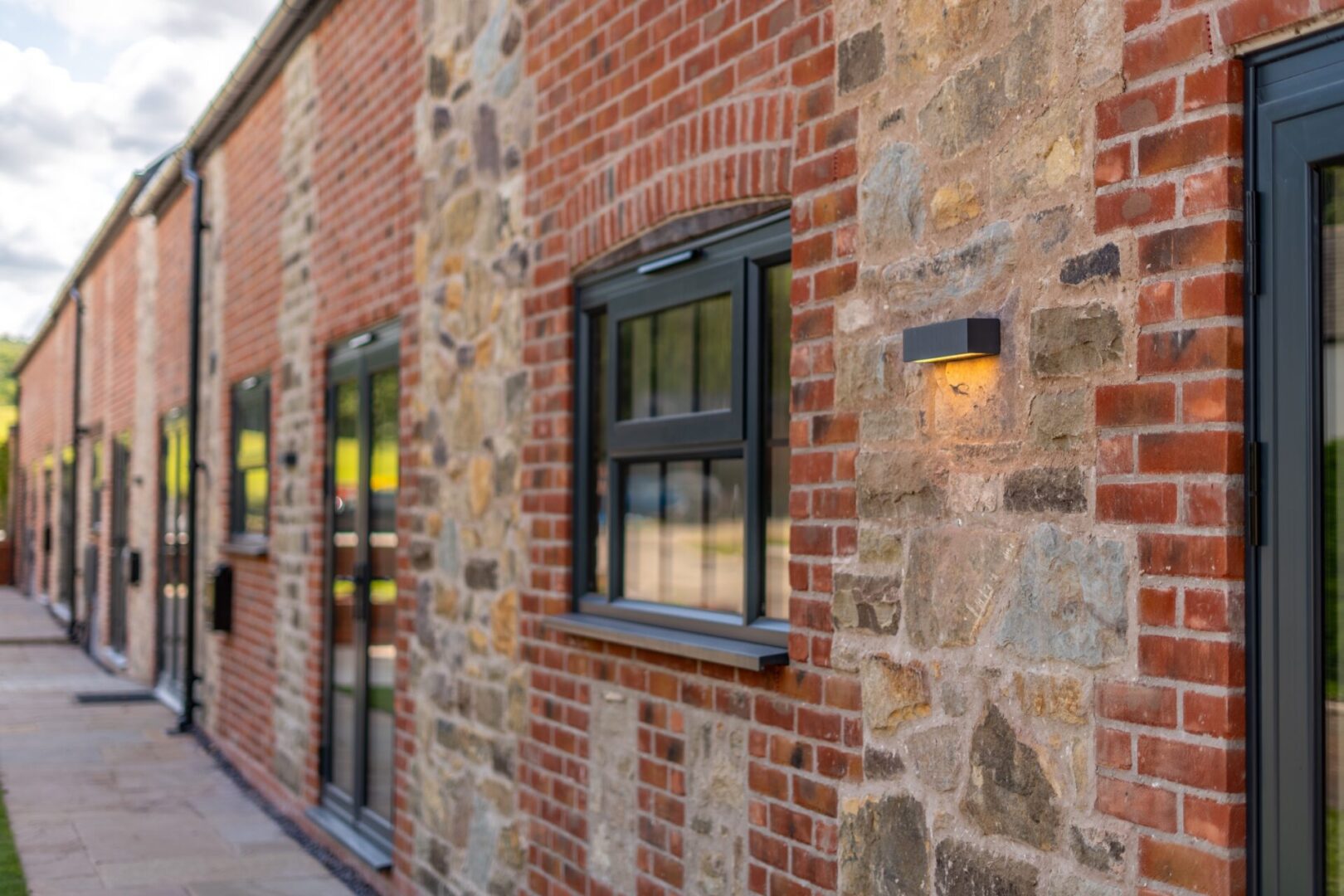
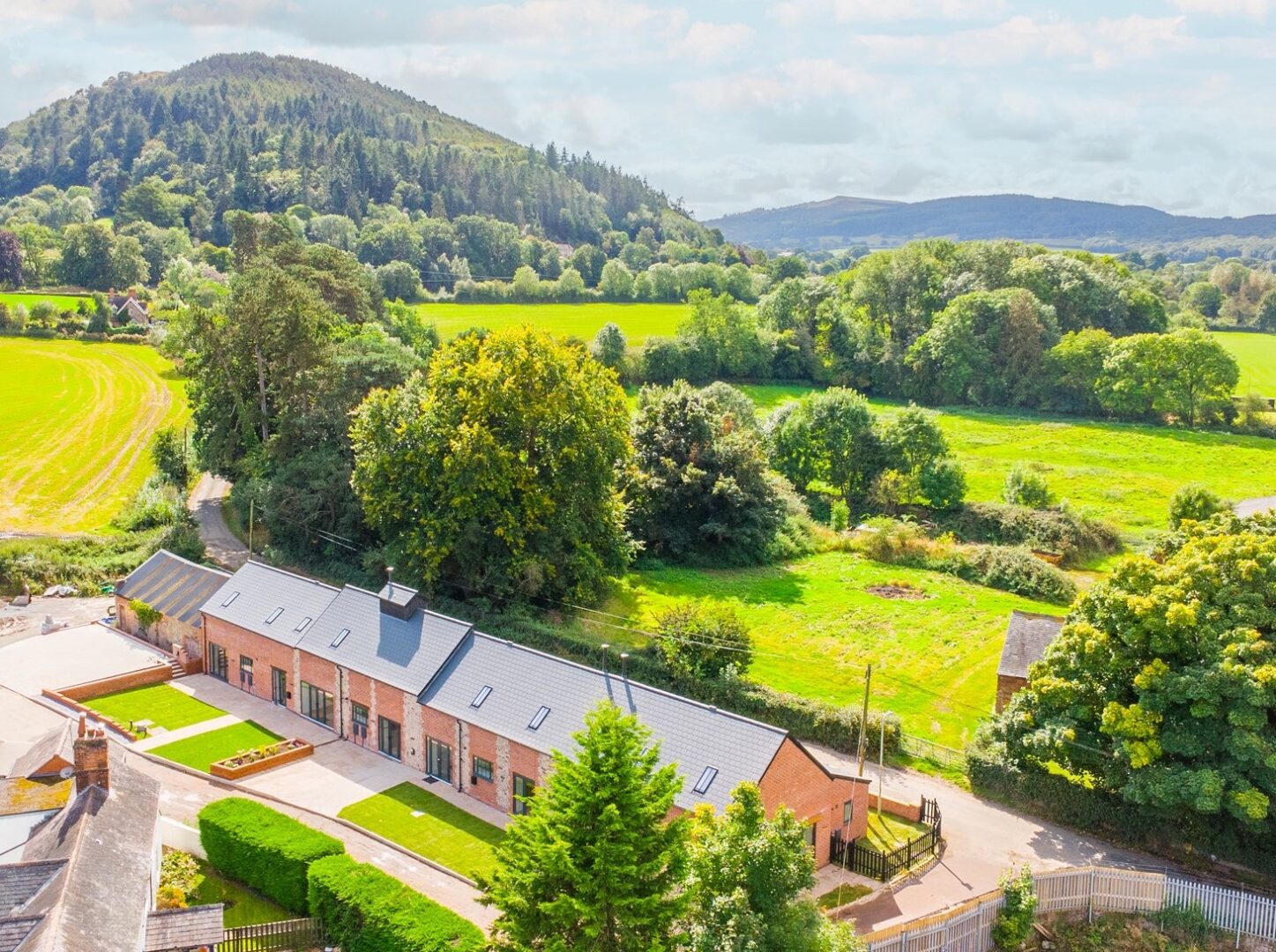
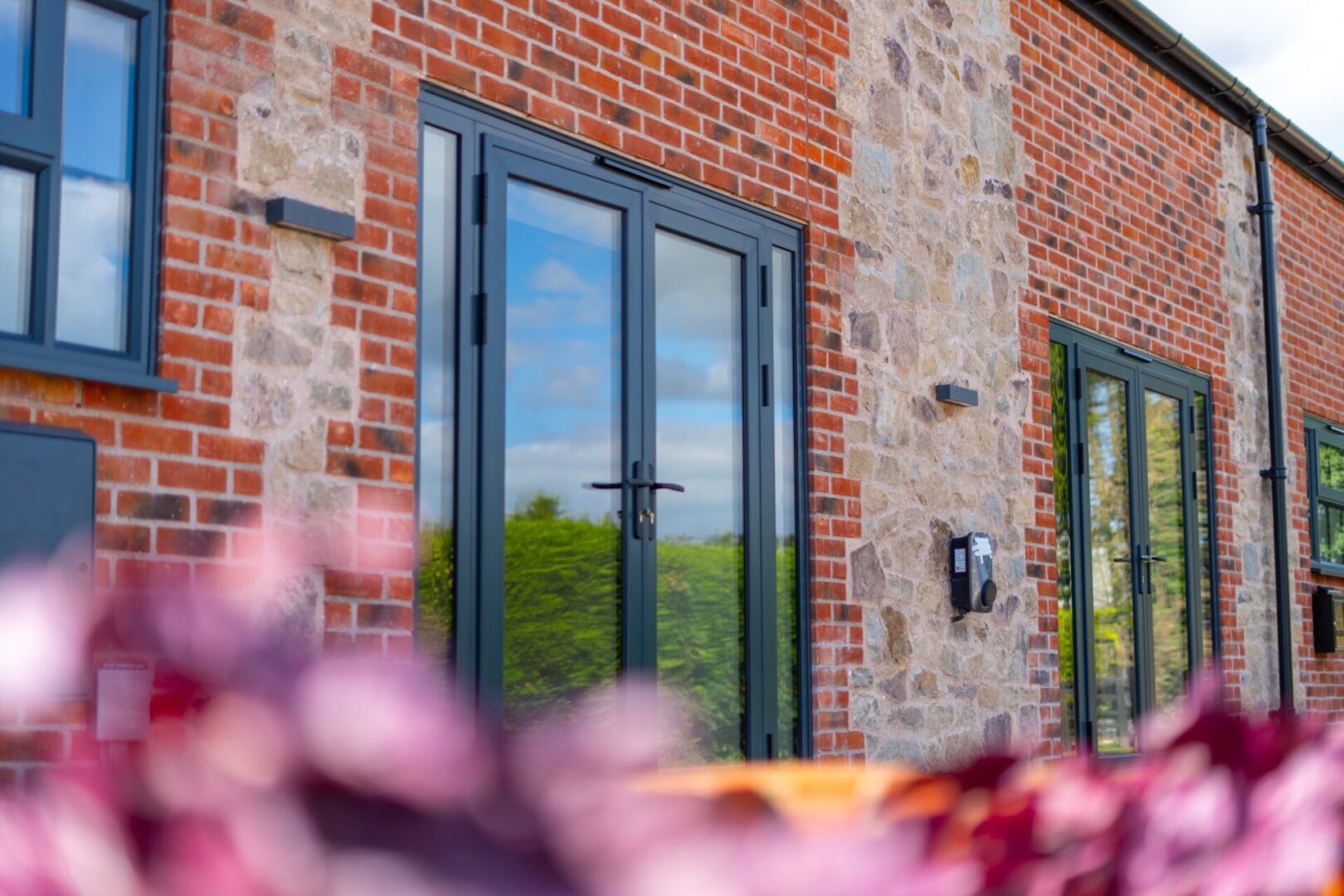
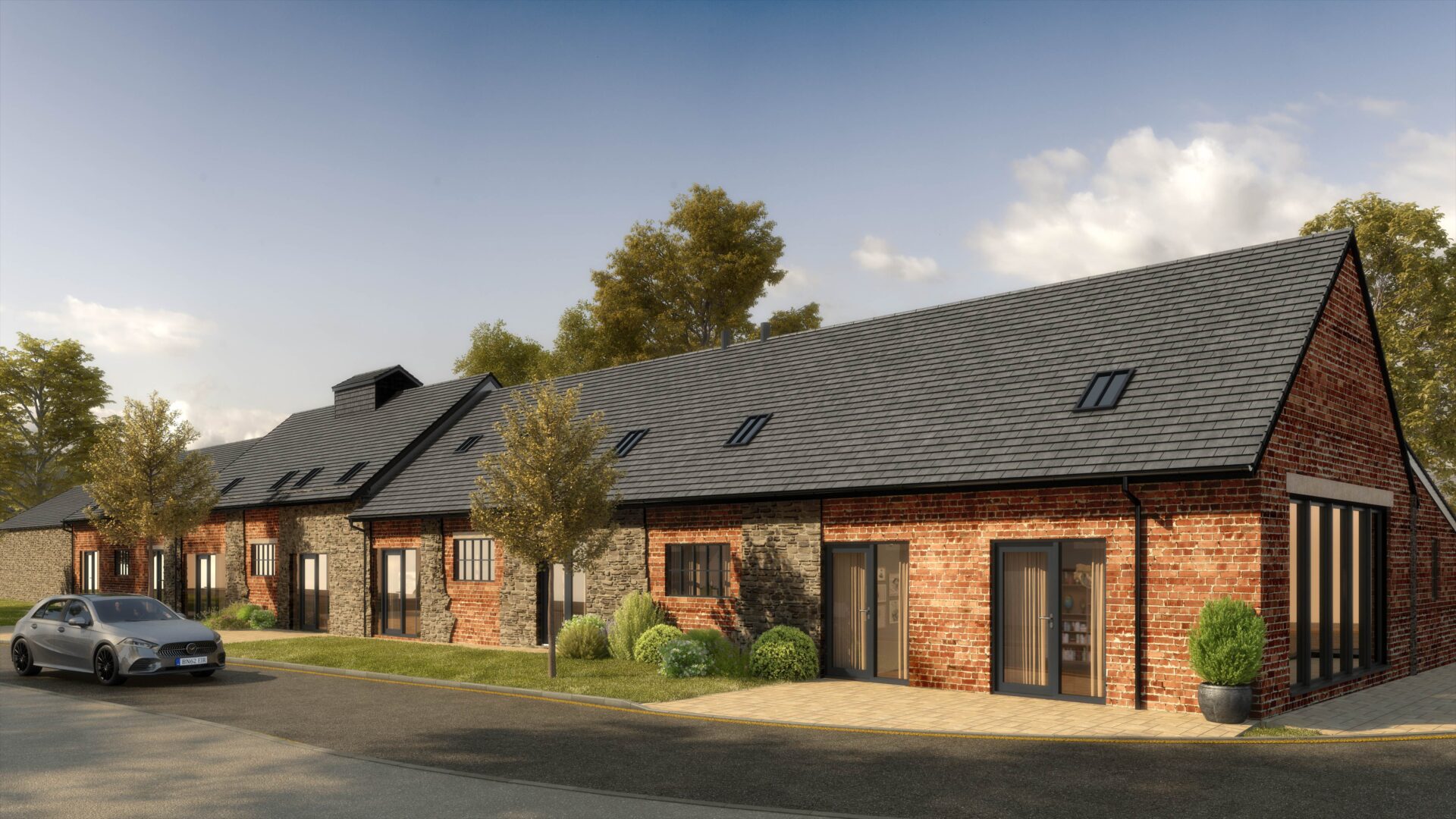
We were approached by our client to secure planning permission for the conversion of the former commercial building to residential use. Given the heritage of the building, its preservation was important.
How We Approached The Project
The application site is an area of industrial land and woodland surrounded by agricultural farmland to the east and west. At the centre of the site lies a former agricultural barn, most recently used for retail and storage, showing various historical phases of development.
How We Achieved The Project
The site played an important role in the industrial economy of the village. This is one of two separate lead smelters that were built on either side of the lane, which used water from a small stream to turn a wheel to blow ore hearths. Although a much altered building of limited architectural quality, the building is one of the very few tangible reminders of the lead smelting process which was such an important element of the local lead mining industry. The mill was closed down in 1863, after which it found various uses as a farm building, garage and eventually an agricultural retail unit.
The wider area around the site has been sold to various landowners and there were various legal rights that needed to be taken account of when designing the scheme.
The proposals respect the linear and slightly untidy character of the building and will ensure its long-term future. This project has allowed a building with heritage value to be restored, retained and repurposed for many years to come.
We were delighted to secure consent for three dwellings, which included the insertion of a first floor and the conversion of a later addition single storey lean-to extension serving one of the dwellings.


 Architecture
 Online Auctions
 Building Surveying
 Business, Land Use & Finance
 Charity Property Advisory
 Development Management
 Energy & Sustainability
 Engineering & Land Surveying
 Heritage & Archaeology
 Planning
 Property Agency
 Property Litigation Support
 Property Management
 Rural Landlord & Tenant
 Strategic Land
 Valuation