Renters’ Rights Act – The Information Sheet Deadline
May 1, 2026



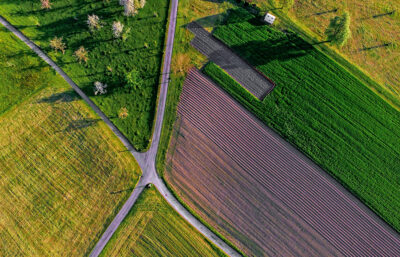



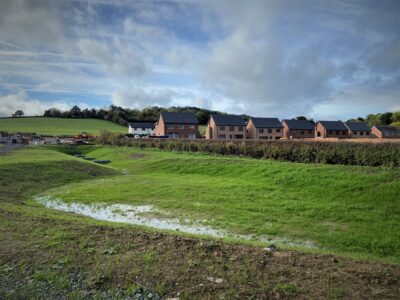

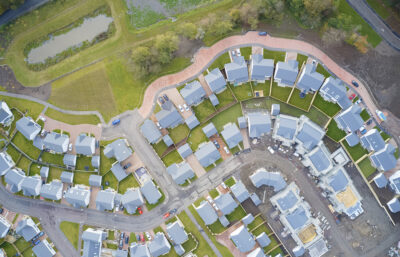




The Department for Environment, Food & Rural Affairs (Defra) has officially released the National Standards for Sustainable Drainage Systems (SuDS), a significant framework poised to reshape the way surface water is managed in new developments.
Sweeping standards have been introduced with zero engagement across the wider sector. Transparency and collaboration should be non-negotiable, especially when the implications are this wide-reaching.
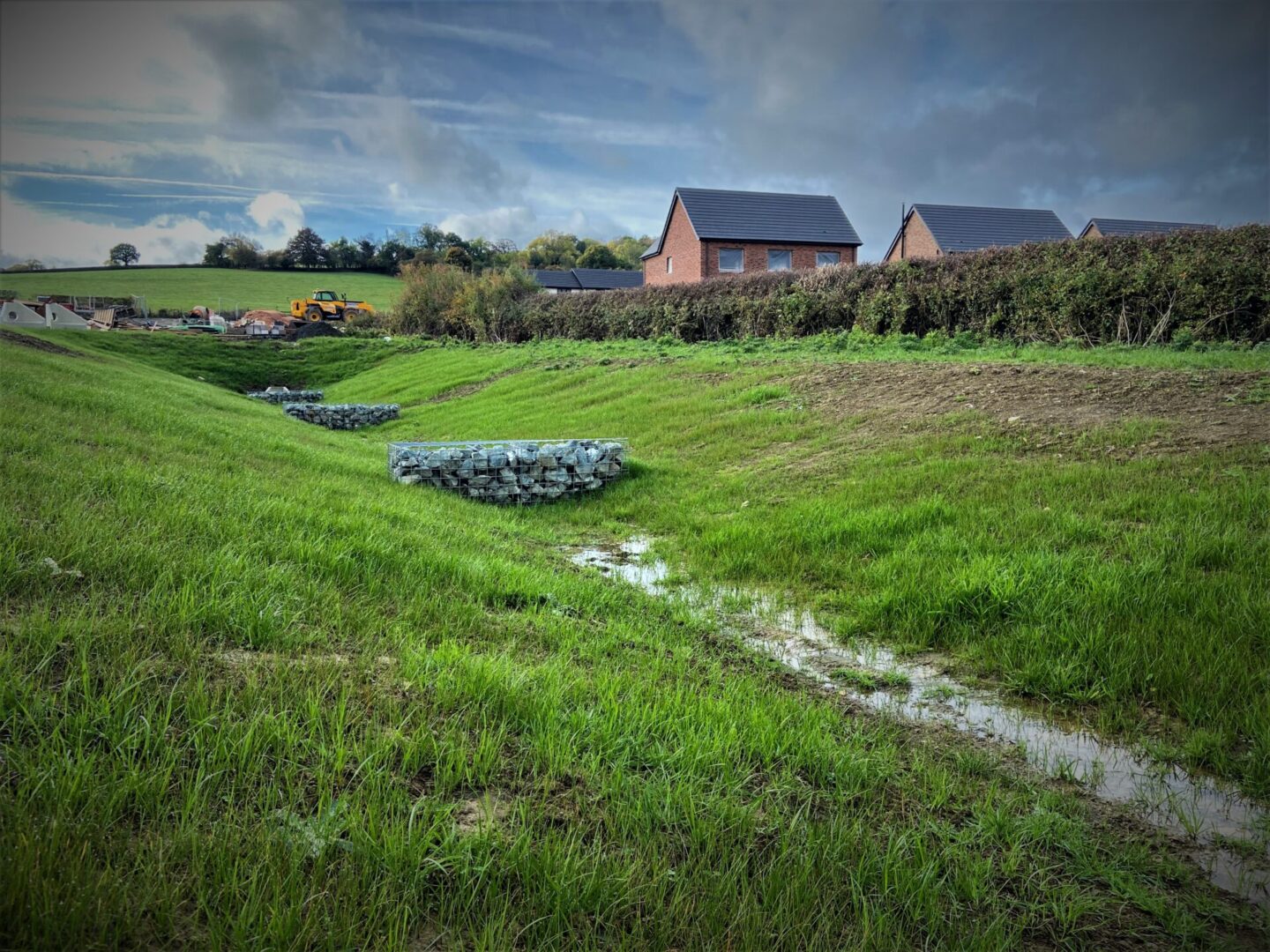
The new standards define expectations for SuDS design, construction, operation, and maintenance. The goal? A clear departure from traditional drainage systems in favour of approaches that mimic natural water cycles—reducing flood risk, enhancing water quality and supporting green infrastructure.
For developers, local authorities, designers and planners, the framework provides long-needed consistency and clarity. It introduces a sustainable drainage hierarchy, performance metrics and maintenance best practices, positioning SuDS as a foundational element of forward-thinking development.
Led by Lead Local Flood Authorities (LLFAs), the rollout intends to deliver multiple gains; from climate resilience and biodiversity support to increased amenity value and cost-effective surface water solutions.
Those familiar with the Welsh SuDS regime will notice familiar patterns. In Wales, SuDS Approval Bodies (SABs) have been mandatory since 2019 for developments over 100m², with numbered standards already well embedded. It’s clear the English model draws heavily from this proven approach.
However, several questions remain. The standards appear to be non-statutory for now but may still carry significant weight in planning decisions. There is also no clarity on timelines for LLFA adoption—implementation will likely be left entirely to local discretion.
A bigger concern is whether Water and Sewerage Companies (WaSCs) will align with these locally driven policies. Who will adopt SuDS designed to the new standards? When the Design and Construction Guidance (DCG) replaced Sewers for Adoption in 2021, a list of adoptable SuDS was introduced for each WaSC. Four years later, we are still wrestling with inconsistent adoption. The result? Developers must turn to private management companies or revert to conventional drainage systems altogether.
There is groundwork to be done before widespread enforcement becomes viable. In Wales, where clients prefer not to retain SuDS privately, the adoption route is well defined and appears to work well.
To find out how Berrys can help with SuDS, highways design and infrastructure, please contact Dylan Purewal on 07500 448685 or email dylan.purewal@berrys.uk.com.