Renters’ Rights Act – The Information Sheet Deadline
May 1, 2026






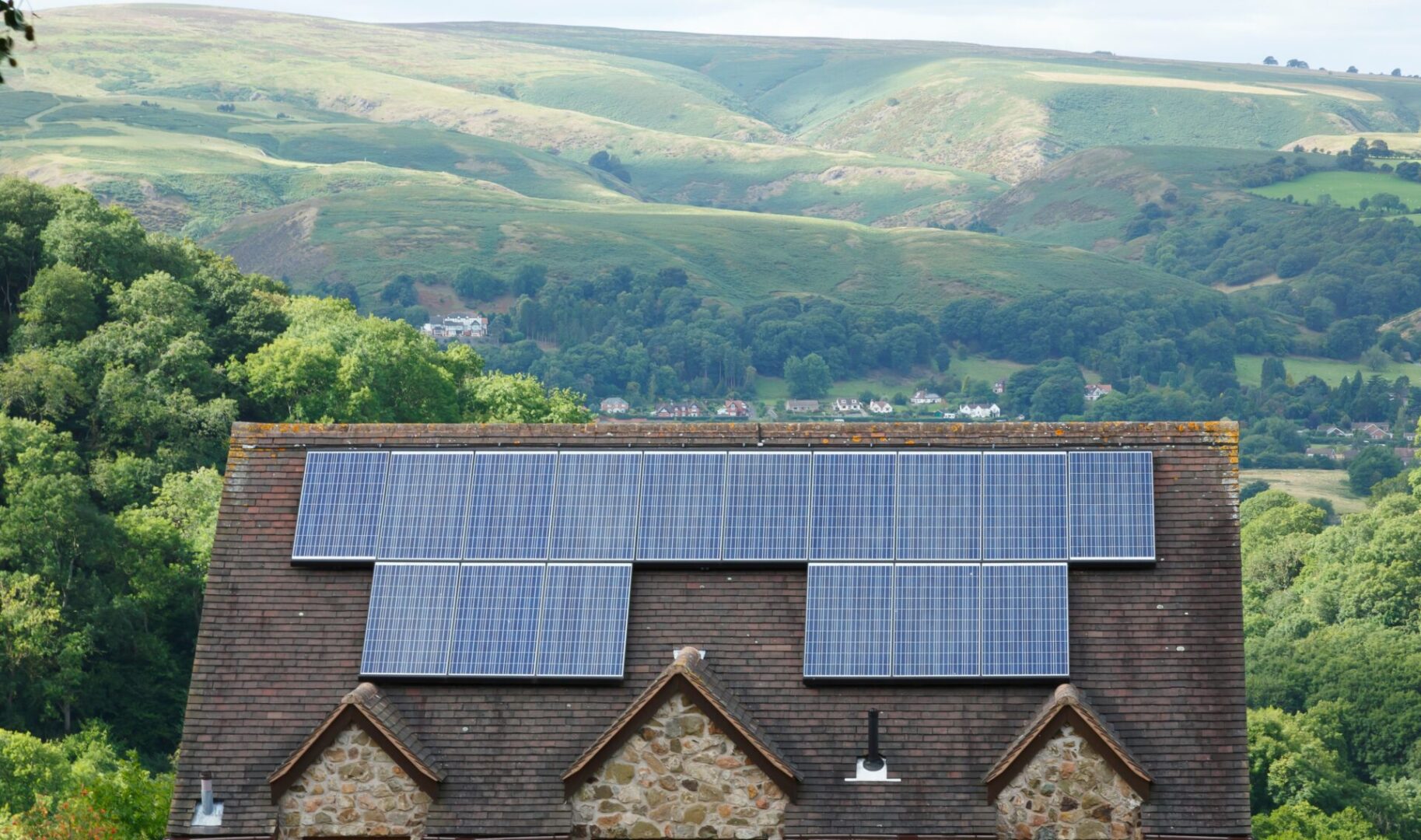
This week, Historic England issued a new advice note on adapting historic buildings for energy and carbon efficiency. This brings together a host of different guidance already available, whilst also providing greater clarification on how the balance between harm and carbon efficiency should be addressed.
The guidance note reiterates the need to prioritise maintenance and low-impact alterations using a long-term whole building approach rather than the larger replacements which are often seen as “quick and easy” short-term wins. The key to this is understanding the current performance of the building and the level of net carbon benefit that will be provided by the proposed alterations.
As with any alterations to listed buildings, key areas to consider are:
The Historic England Advice Note 18 (HEAN 18) states “We believe it is possible to improve the energy efficiency of all buildings to some extent without unacceptably harming their significance. We encourage interventions which are reasonably low risk (and often happen to be low cost), and do not always require planning approval, to be considered first, before more potentially harmful interventions are explored.”
The guidance also provides a host of suggestions on what might and might not be appropriate upgrades for common scenarios. Historic England have suggested that secondary glazing, specialised installation of specific double-glazing panels in existing historic frames and the upgrade of non-historic windows would be supported in line with their existing guidance. Loft insulation (excluding spray-on foam) is largely acceptable where it does not cover historic features. Whilst upgrading heating systems for low carbon alternatives are also supported, provided consideration is given to their location.
Areas of ambiguity surrounding solar panels have also been clarified, with clarification given for their support of rear elevations but avoidance the primary elevations of listed buildings, and a preference for ground-mounted units to be added instead.
Whilst reiterating a lot of guidance already provided, the HEAN 18 provides greater clarification on the process of weighing carbon efficiency against the building’s significance, and which alterations might be considered more appropriate than others.
If you are looking to upgrade a building, please contact Phoebe Farrell on 07775 925358 or
Alexandra Rowley on 07918 319768.