Renters’ Rights Act – The Information Sheet Deadline
May 1, 2026


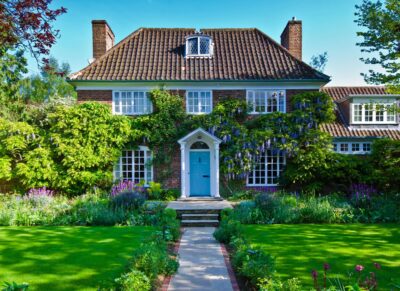
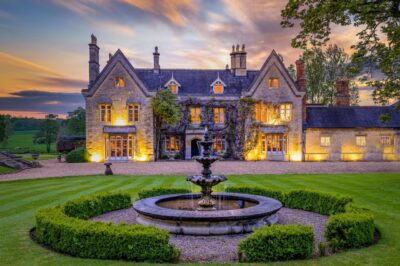

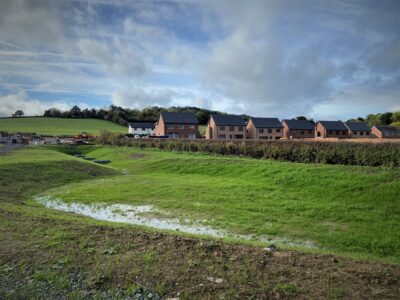
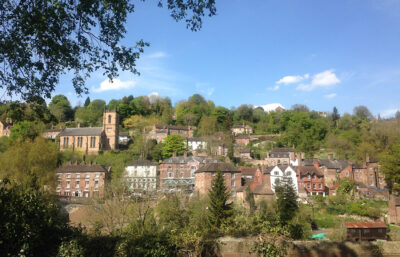




In recent reports, Historic England says that ‘the loss of traditional windows from our older buildings poses one of the major threats to our heritage’. Windows are what some call the ‘eyes’ of a building. On a practical level we need them to let in light and give ventilation. If the design of the window is ‘wrong’ it can stand out, so how do we know which window design is the ‘right’ fit…literally?
In medieval times windows had no glazing and were simply an opening in a wall with perhaps a covering for insultation and tended to be very small openings to keep out the elements. Glass was only afforded by the very wealthy and the Church. By the Tudor period windows with small panes of hand-blow glass were more affordable. Leaded casement windows are still seen today on ‘mock-Tudor or ‘Tudor-revival’ houses.
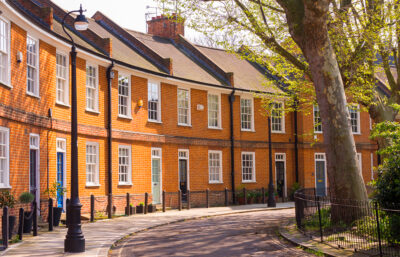
In the Georgian era there was a huge popularity of sliding sash windows which was in keeping with the elegant Georgian terraces we are so familiar with. The windows got larger and larger as a symbol of wealth, however, due to the window tax some homeowners bricked up some of their windows to reduce their tax!
As a result of the industrial revolution and with the repeal of the window tax in 1851 the manufacturing of plate glass became more readily available, and the Victorians introduced bay windows and sash windows with fewer bars as the glass could be made in larger panes. Sash windows of this era generally have ‘sash horns’ to accommodate the bigger and heavier panes of glass so you can always tell if the sash window is an original Georgian window or a Victorian window if it has sash horns or not!
The Edwardian era saw a continuation of this, but this time with more decorative and delicate features like oriel windows. Sash windows and casement windows varied in size and shape, with intricate glazing bars purely for decoration rather than function.
Casement windows came back into fashion in the Edwardian period and continued in the 1920s and 1930s, when casement windows became the window of choice, as sash windows became last season’s window.
So next time you are thinking about changing your windows, adding an extension or designing a new house – give some thought to those ‘eyes’!
At Berrys, our in-house heritage and conservation team works along-side our planning and architectural teams, offering a complete service to enhance heritage assets and find solutions that strike a balance between the past and the future.
To find out more about our Heritage Consultants or for help and advice on all heritage and conservation matters please contact Phoebe Farrell on 07775 925358 email phoebe.farrell@berrys.uk.com.