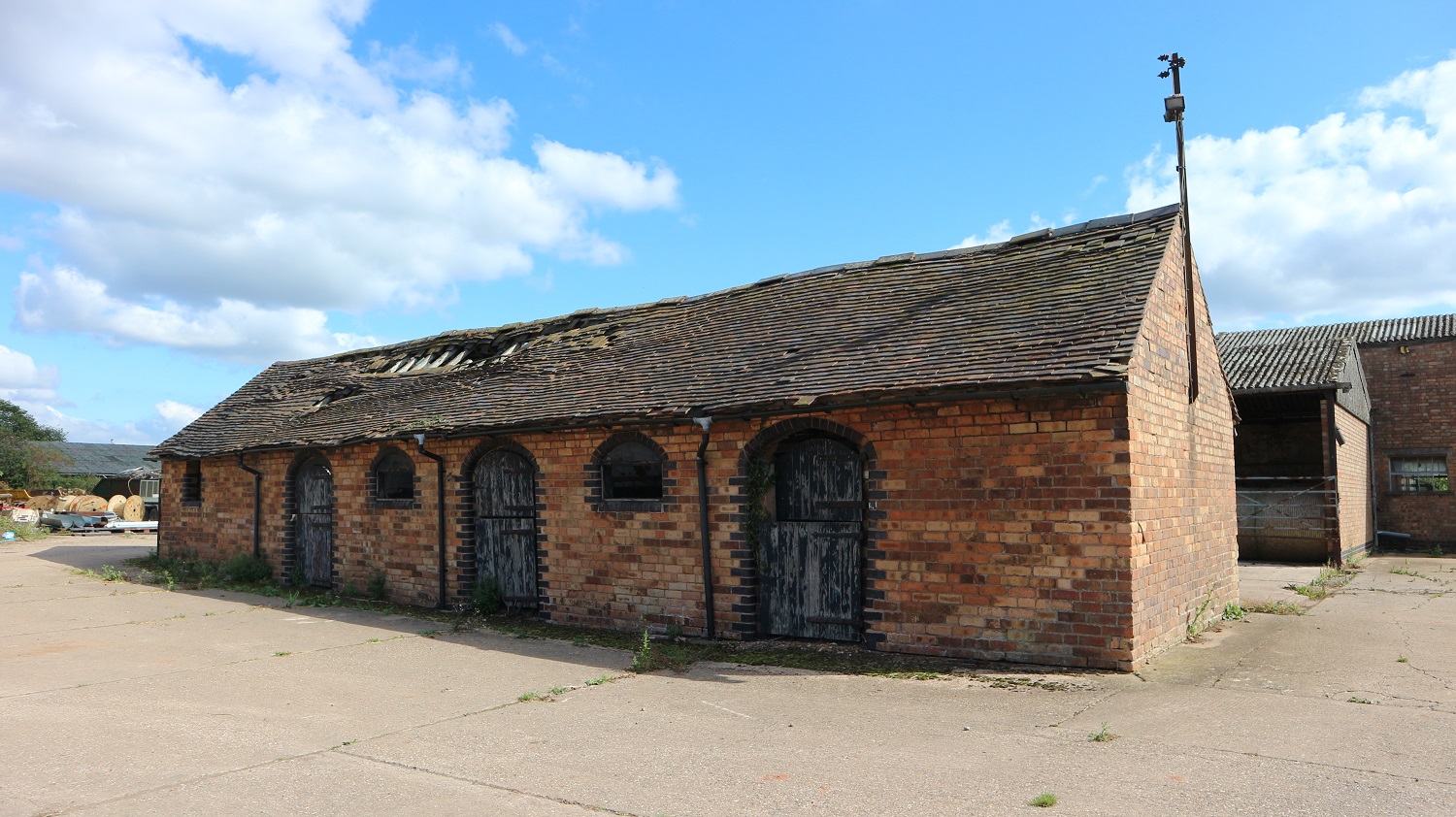
We were approached by a tenant who was nearing the end of his Agricultural Holdings Act tenancy and had done significant improvements to the holding.
How We Approached The Project
In the first instance we ascertained the nature of the improvements which were classed as new long-term improvements (done post 1948). Long term improvements can include things such as roads, buildings and sheep dipping equipment. The majority of the improvements had been agreed on a ‘write off’ basis. This is where the landlord and tenant agree that the net cost is reduced over a period of years to £1.
How We Achieved The Project
There was one building that had been given an open unrestricted consent by the landlord. We followed the guidance in Section 66 of the Act for this building. The compensation amount was an amount equal to the increase attributable to the improvement in the value of the holding as a holding, i.e. a let farm. We had to give regard to the character and situation of the holding and the average requirements of tenants reasonably skilled in husbandry. This means that the building had to be suitable for the holding. In this case it was a grain store on a wholly arable farm and therefore deemed suitable.
Once we had determined the increase attributable on a rental basis we then capitalised this annual figure over a period to give an appropriate sum.
We also helped with other aspects of the compensation under the Act. We were also mindful of any tenant’s dilapidations on the holding that the landlord would use to negate the compensation claim. With this in mind we worked with our building surveyor colleagues in the Building Consultancy team who undertook a comprehensive review of the property and reported the dilapidations to our client. This served two purposes, the first being that the tenant could carry out any necessary repairs prior to the end of the tenancy and also to consider the value that could be negated against the compensation claim proposed.


 Architecture
 Online Auctions
 Building Surveying
 Business, Land Use & Finance
 Charity Property Advisory
 Development Management
 Energy & Sustainability
 Engineering & Land Surveying
 Heritage & Archaeology
 Planning
 Property Agency
 Property Litigation Support
 Property Management
 Rural Landlord & Tenant
 Strategic Land
 Valuation