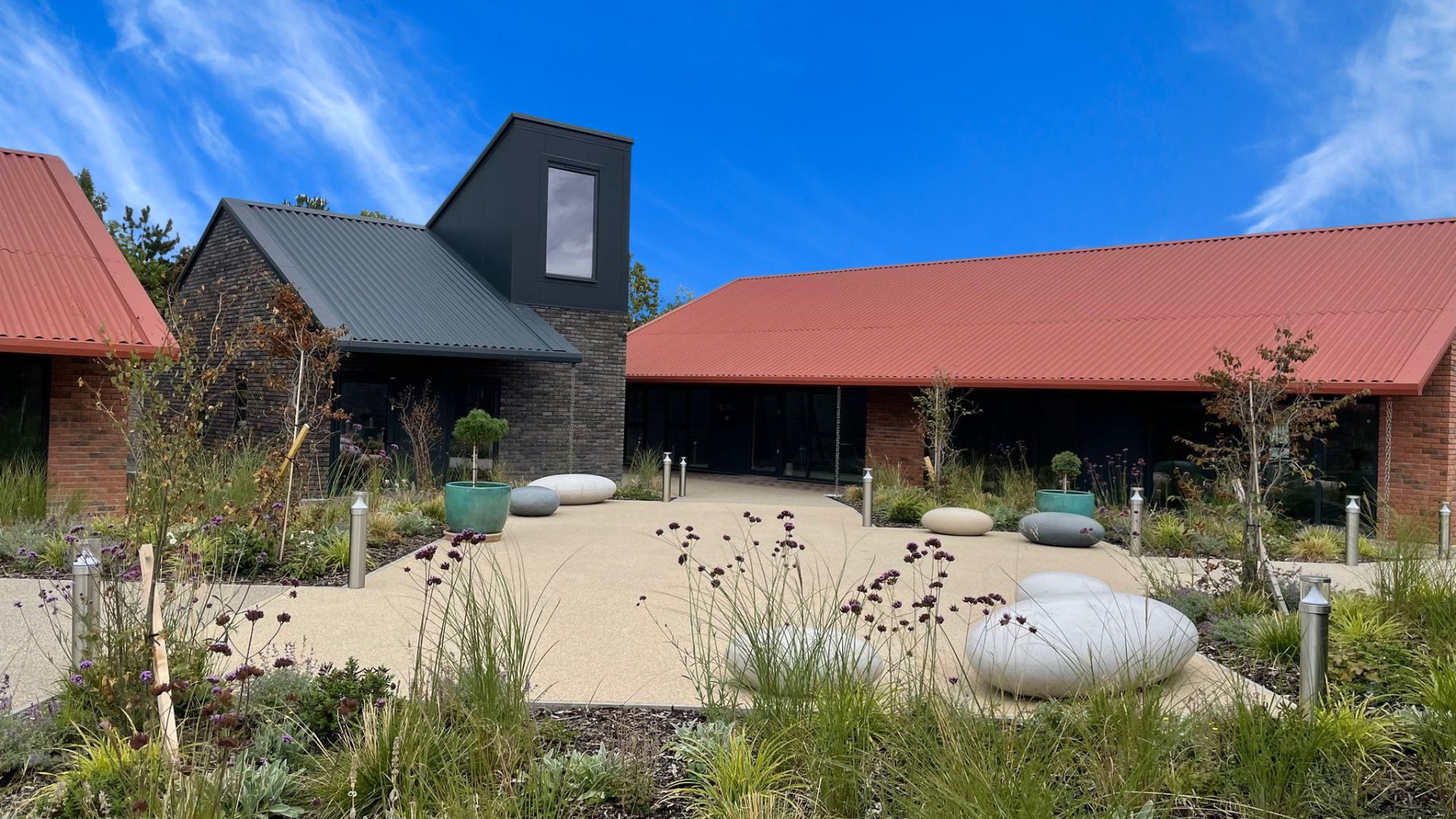
Planning Permission Secured For Shrewsbury Business Park Office Development.
















A clear, practical guide to the planning appeals process when your application has been refused by the Local Planning Authority.
We’re here to help you move your plans forward.
Thousands of planning applications are refused every year. If that’s happened to you, it’s important to know you still have options. You can challenge the decision through a planning appeal, giving your proposal a second chance.
A planning appeal allows you to ask the Planning Inspectorate to reassess your case independently. This applies if your application has been refused, if a decision hasn’t been made in time, or if you’re dealing with an enforcement notice.
The Planning Inspectorate reviews every appeal on its planning merits. That means decisions are based on policy, evidence, and impact, not local politics or opinion. Once a decision is made, it’s final, unless challenged on a point of law.
You’re not starting from scratch, but you do need a clear, well-structured case. That’s where having the right support makes all the difference.
There are three main routes your appeal can take. Each one suits different types of projects and levels of complexity.
This is the most common approach and often the quickest.
Both sides submit their evidence in writing, and the inspector makes a decision based on those documents alone. It’s a straightforward process, but the strength of your written case is everything.
A hearing gives you the chance to present your case in person.
The inspector reviews the written evidence first, then leads a structured discussion with both parties. It’s less formal than a public inquiry, but it still allows for detailed questioning and clarification.
You can request a hearing, although the final decision sits with the Planning Inspectorate.
This is the most formal route, usually reserved for larger or more complex developments.
It often involves legal representatives and expert witnesses, with evidence tested in detail. While it takes more time and investment, it can offer a stronger platform for more complex cases.
Making a planning appeal involves more than submitting a form. You’ll need to prepare a clear statement of your case and provide all relevant documents from your original application.
The Local Planning Authority will respond with its own case, and you’ll have the chance to comment. From there, the inspector reviews all the evidence before making a decision.
Timing is critical.
– You usually have six months to appeal after a refusal
– For householder applications, this reduces to twelve weeks
– For non-determination appeals, the six month period starts from the decision deadline
– For enforcement notices, you must appeal before the notice takes effect
Missing these deadlines can mean losing your right to appeal, so it’s important to act quickly.
Timescales vary depending on the type of appeal.
– Written representations are typically the fastest
– Hearings take longer due to scheduling and discussions
– Public inquiries can take several months due to their complexity
While it can feel like a long process, a strong, well-prepared case can make a real difference to both speed and outcome.
Every successful appeal starts with a clear understanding of planning policy and a well-argued case.
In many cases, decisions are overturned because the Inspector sees a clearer alignment between the application and local and national policy. A good statement of case can make all the difference.
The right approach can turn a refusal into an approval.
Planning appeals can feel daunting, but you don’t have to handle it alone.
At Berrys, we’ve supported clients through many successful planning inspectorate appeals. We know how to build a strong case, present it clearly, and give your project the best chance of moving forward.
If you’re thinking about appealing, it’s worth starting the conversation early. The sooner we begin, the more time we have to shape a compelling case. Get in touch and we’ll help you take the next step with confidence.
You can find out more about our related services:
– Planning applications
– Town Planning
– Class Q and Class R















A planning appeal is a way to challenge a decision made by your Local Planning Authority. If your application has been refused, or not decided in time, you can ask the Planning Inspectorate to review it independently and make a final decision based on planning policy and evidence.
The planning appeals process starts with submitting your appeal and supporting documents to the Planning Inspectorate. The Local Planning Authority then responds, and you can comment on their case. An inspector reviews all the evidence before making a final decision based on planning policy and the merits of your proposal.
Planning appeals usually take several months. Written representations are the quickest, while hearings and public inquiries take longer due to scheduling and complexity. A clear, well-prepared case can help keep the process moving efficiently.
Planning appeals are decided by the Planning Inspectorate, not the Local Planning Authority. An independent inspector reviews the case and makes a decision based on planning policy, evidence, and impact. Local opinion or politics do not influence the outcome.
A non-determination appeal allows you to act when the Local Planning Authority has not made a decision within the required timeframe. Instead of waiting longer, you can ask the Planning Inspectorate to step in and determine your application.
The chances of success depend on the strength of your case and how well it addresses the reasons for refusal. Some appeals succeed, particularly where clear planning arguments and evidence are presented. A well-prepared case can significantly improve your prospects.
Yes, you can appeal against an enforcement notice, but timing is critical. You must submit your appeal before the notice takes effect. Missing this deadline means losing your right to challenge it, so early action is essential.
You don’t have to use a planning consultant, but it can make a real difference. A consultant helps you understand the refusal, build a strong case, and present clear planning arguments, giving your appeal the best chance of success.
A successful planning appeal is built on clear reasoning, strong evidence, and alignment with planning policy. It focuses on showing why your proposal should be approved and directly addresses the reasons for refusal with a well-structured argument.