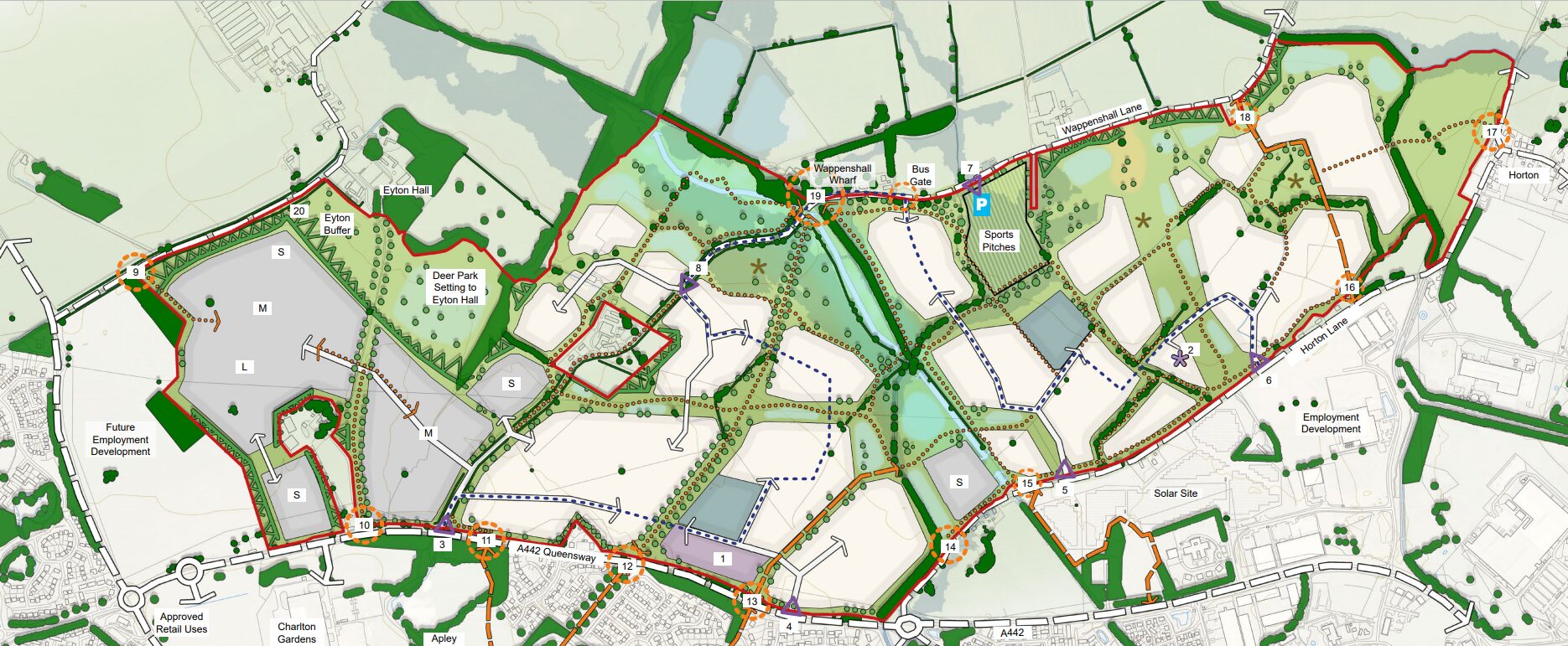
Marks and Spencer Foodhall.













Planning can feel complex, but you do not have to tackle it alone. Our planning consultants give you clear, practical advice to move your project forward.
We support clients with planning applications, planning appeals, planning permission, and wider town planning matters across the UK.
Our planning consultants guide you through every stage, from pre application planning advice to final decision. We manage the process carefully, explain what matters, and help you move ahead with clarity.
Planning decisions rarely stand alone. They influence design, delivery, and long term value. That is why we take a wider view from the outset.
We work closely with specialists across Berrys to support your project from every angle. You get joined up thinking, clear advice, and honest guidance throughout.
We support residential, commercial, agricultural, leisure, and energy projects. Whether your project is straightforward or more complex, we are here to help.
We can help with:















Town planning, or town and country planning, manages how land is developed and used.
The system is run by the Local Planning Authority, usually the local council. Each authority prepares a local plan that sets out development policies and determines planning applications in line with those policies.
While it is often seen as restrictive, town planning plays an important role in shaping places, supporting growth, and protecting important environments.
You will need planning permission for most types of development, including:
Land and buildings are grouped into categories known as use classes. You do not need planning permission if the change stays within the same class.
Some changes between classes are allowed under the Use Classes Order. Any change outside these rules will require planning permission.
For example, Class E includes shops, restaurants, gyms, and offices. This allows movement between these uses without an application.
Some uses fall outside any class. These are known as sui generis uses and include pubs, nightclubs, and petrol stations. Each has its own rules, so it is always worth checking first.
Permitted development rights allow certain types of development without applying for planning permission.
This can include some extensions and changes of use, subject to limits and conditions.
In some cases, prior approval is required. This is a simplified form of a planning application.
These rights apply to the land, not the owner, so previous development may affect what is possible.
Anyone can apply for planning permission, even if they do not own the land. Once granted, it stays with the land.
A typical planning application includes:
– Application forms and ownership certificates
– A site location plan
– Drawings and elevations
– A design and access statement where required
– Supporting reports if needed
– The relevant fee
Most authorities offer pre-application planning advice, which can give you early insight into how your proposal may be received.
Yes. Retrospective planning applications are relatively common and often approved.
They are usually submitted after work has taken place without planning permission, either at the request of the authority or by a new owner.
The process is the same as a standard application. If permission is refused, changes or removal may be required.
In some cases, a certificate of lawfulness may be a better alternative.
If your application is refused, you can submit a planning appeal to the Planning Inspectorate.
An independent Inspector will review your case and decide whether planning permission should be granted.
Most planning appeals are decided through written submissions, although hearings can be requested where needed.
When reviewing a planning application, the Local Planning Authority considers relevant planning policies.
These policies are set nationally and applied locally through a local plan. They guide decisions on development, land use, and environmental impact.
Local plans may also allocate land for specific uses, which can influence whether planning permission is granted.
Planning permission looks at how development affects its surroundings.
Building regulations focus on how a building is constructed and whether it meets required standards.
Both are usually needed, but they are separate processes. Bringing them together early can help avoid delays later.